
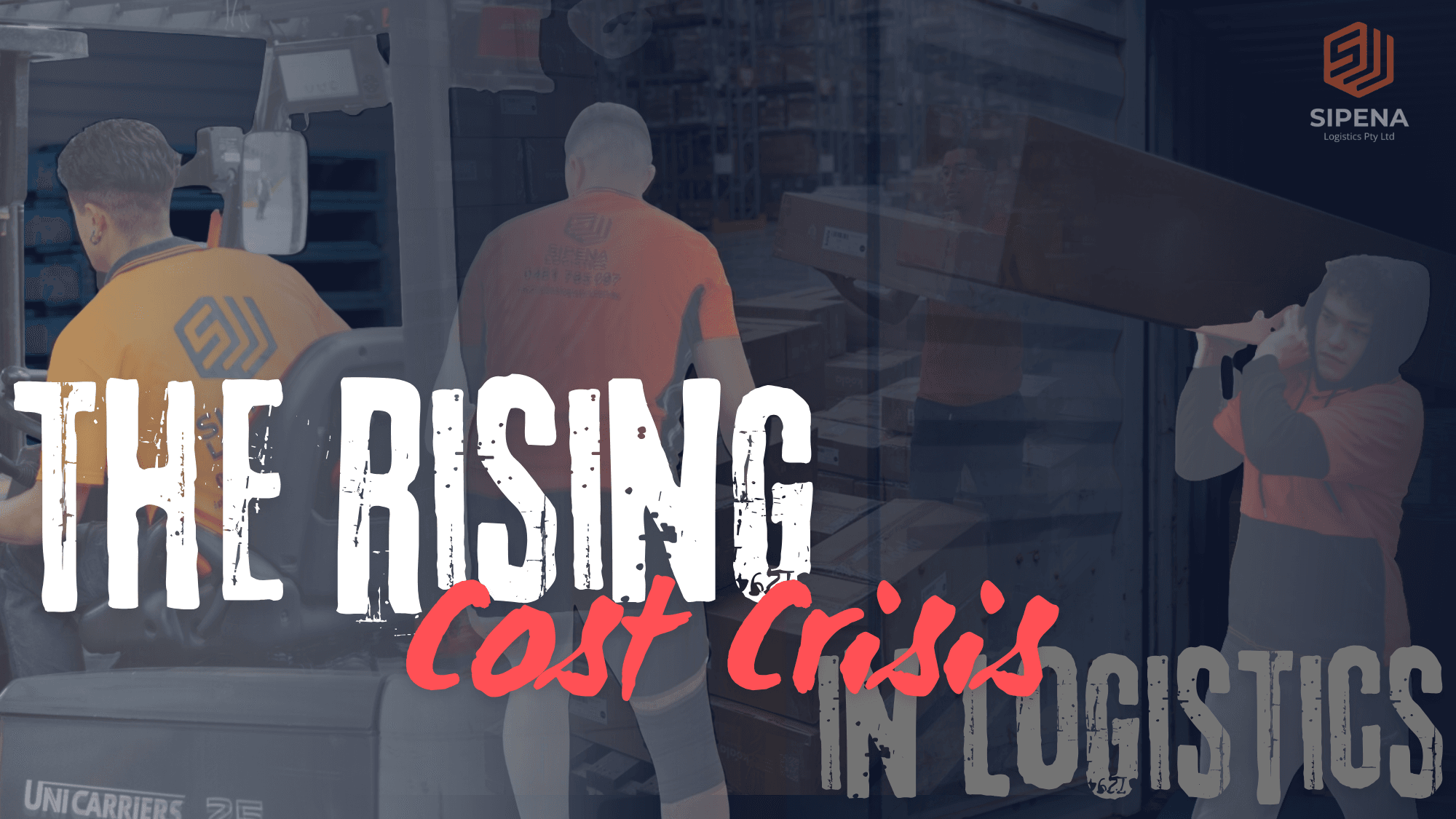
The logistics industry has always been the backbone of global trade, but in 2026, businesses are facing one of the toughest economic environments in recent history. Rising fuel prices, inflation, labour shortages, and increasing operational expenses are placing enormous pressure on companies across the supply chain.
For businesses specializing in logistics labour services, the impact is even more significant.
Warehouse staffing providers, container handling teams, labour hire companies, and cross-docking support services are all operating in a climate where every operational cost matters. While clients continue demanding faster turnaround times, flexible staffing, and reliable support, the expenses behind the scenes continue to rise rapidly.
For companies like Sipena Logistics, adapting to these changes has become more than just a strategy; it has become essential for long-term survival and growth.
Why the Logistics Industry Is Facing Rising Costs
The logistics sector is heavily affected by inflation because nearly every part of the operation depends on multiple moving components working together efficiently.
Some of the biggest contributors to rising costs include:
- Fuel and transportation expenses
- Wage increases and labour shortages
- Equipment maintenance and repair costs
- Warehouse rental price increases
- Higher insurance premiums
- Compliance and workplace safety expenses
- Global supply chain disruptions
For providers of logistics labour services, the challenge is unique. Unlike some industries that can immediately increase prices, labour service providers must carefully balance affordability for clients while maintaining quality staffing solutions and protecting worker welfare.
This creates constant pressure for operations managers, workforce coordinators, and logistics planners every day.
The Ongoing Labour Shortage in Logistics
One of the biggest issues affecting the logistics industry today is the continuing labour shortage.
Warehousing, forklift operations, cross-docking, and container unloading require physically demanding work, yet many businesses struggle to find reliable workers willing to stay long-term. At the same time, the rising cost of living means employees expect higher wages to keep up with everyday expenses.
This creates a difficult situation for the industry:
- Workers require better pay and conditions
- Clients want competitive service pricing
- Labour providers face shrinking profit margins
As a result, many logistics businesses are experiencing:
- Higher staff turnover
- Increased absenteeism
- Worker burnout
- Delayed warehouse operations
- Difficulty filling urgent shifts
In today’s market, retaining skilled workers has become one of the strongest competitive advantages for any provider of logistics labour services.
How Rising Costs Affect Logistics Labour Services
1. Recruitment and Retention Costs Are Increasing
Finding and retaining quality workers now requires more investment than ever before.
Many logistics labour providers are spending more on:
- Recruitment advertising
- Safety training and onboarding
- Employee retention programs
- Uniforms and PPE
- Workplace compliance certifications
Years ago, businesses could rely on a steady flow of labour applicants. Today, companies must actively compete for experienced warehouse and logistics workers.
2. Clients Are Also Under Financial Pressure
Warehouses, transport companies, and freight operators are also struggling with inflation and operational expenses.
This means labour providers often face difficult conversations around:
- Staffing rates
- Shift coverage
- Productivity expectations
- Budget limitations
Businesses providing logistics labour services must balance client affordability while still maintaining operational sustainability and workforce quality.
Strong communication and transparency have become more important than ever.
3. Operational Efficiency Is Now Critical
In logistics, even a small staffing delay can create major disruptions across operations.
A shortage of workers can affect:
- Warehouse productivity
- Delivery schedules
- Container turnaround times
- Inventory management
- Customer satisfaction
Because of this, modern logistics labour providers are expected to deliver not just manpower, but also operational efficiency, flexibility, and problem-solving capabilities.
How Smart Logistics Labour Services Are Adapting in 2026
Despite the challenges, many businesses are finding innovative ways to adapt and strengthen their operations.
Investing in Long-Term Workforce Relationships
Successful logistics labour providers are now focusing on worker retention rather than simply filling shifts quickly.
Businesses are improving:
- Communication with workers
- Workplace safety standards
- Career growth opportunities
- Workforce support systems
- Shift consistency
When employees feel valued and supported, retention improves, and better retention leads to higher-quality service for clients.
Using Technology to Improve Workforce Management
Technology is becoming essential in modern logistics operations.
Many businesses now use:
- Workforce scheduling software
- Real-time communication systems
- Automated shift management tools
- Employee performance tracking
- Digital compliance systems
These technologies help reduce downtime, improve productivity, and minimize costly operational disruptions.
For providers of logistics labour services, efficient workforce management is now a major competitive advantage.
Building Stronger Client Partnerships
The most successful labour providers today are no longer seen as simple staffing vendors.
Instead, they are becoming long-term operational partners.
Businesses that openly communicate with clients about:
- Market conditions
- Labour shortages
- Productivity goals
- Operational risks
- Workforce planning
are building stronger and more sustainable business relationships.
In today’s market, clients increasingly value reliability, consistency, and service quality over simply choosing the cheapest option.
The Future of Logistics Labour Services in Australia
Although the economic climate remains challenging, the logistics industry continues growing rapidly due to:
- E-commerce expansion
- Increased freight movement
- Growing warehousing demand
- Faster delivery expectations
- Consumer demand for efficient supply chains
This means demand for reliable logistics labour services will continue increasing across Australia in the coming years.
Businesses that succeed long-term will likely be those that:
- Adapt quickly to market changes
- Invest in workforce development
- Improve operational systems
- Maintain high service standards
- Build resilient client relationships
The logistics industry is evolving, and companies willing to innovate are positioning themselves for long-term success.
Rising operational costs and inflation have reshaped the logistics industry in ways many businesses never expected. For providers of logistics labour services, the pressure is real, from labour shortages and wage increases to operational inefficiencies and growing client demands.
However, challenging times also create opportunities for businesses willing to innovate and evolve.
Companies like Sipena Logistics continue adapting through stronger workforce partnerships, smarter operational systems, and a commitment to reliable logistics support across Victoria.
As the logistics sector continues changing, one thing remains clear: businesses that prioritize people, efficiency, and adaptability will continue moving forward; no matter how challenging the road ahead becomes.
Contact us at info@sipenalogistics.com.au.
We’re ready at Sipena Logistics.