

Behind the Boxes: What It Really Takes to Unload a Shipping Container in Under an Hour
From the outside, unloading a shipping container can look simple: open the doors, remove the boxes, and stack them in the warehouse.
In reality, unloading a container quickly and safely requires planning, teamwork, experience, and the right labour.
For businesses receiving regular container deliveries, every minute matters. Delays can affect warehouse operations, deliveries, staff productivity, and ultimately, costs.
So, what does it really take to unload a shipping container in under an hour?
It Starts Before the Container Arrives
Fast container unloading doesn’t begin when the container doors open. It starts with preparation.
Before the truck arrives, the warehouse team needs to know:
- When the container is expected
- What type of goods are inside
- How the goods are packed
- Where the stock will be placed
- What equipment is required
- How many workers are needed
- Whether forklifts, pallet jacks, or other equipment are available
A few minutes of preparation can prevent significant delays once unloading begins.
The Right Number of People Makes a Difference
One person unloading a container will naturally take much longer than a coordinated crew.
A well-organised container unloading team divides the work. While one worker removes cartons from the container, others can receive, sort, stack, palletise, or move goods into the warehouse.
This creates a continuous workflow rather than having everyone wait for the same task to be completed.
The goal isn’t simply to have more workers. It’s about having the right people in the right positions.
Experienced container crews understand how to work together without getting in each other’s way.
Experience Matters More Than Speed Alone
Unloading quickly doesn’t mean rushing.
A trained crew knows how to handle different types of cargo, identify potential hazards, and maintain a steady pace throughout the job.
They also understand how goods may have been packed inside the container. Some containers can be tightly loaded, with cartons stacked from floor to ceiling. Others may contain heavy, awkward, or fragile items that require additional care.
Experienced workers know when to move quickly and when to slow down.
That’s how you achieve speed without sacrificing safety.
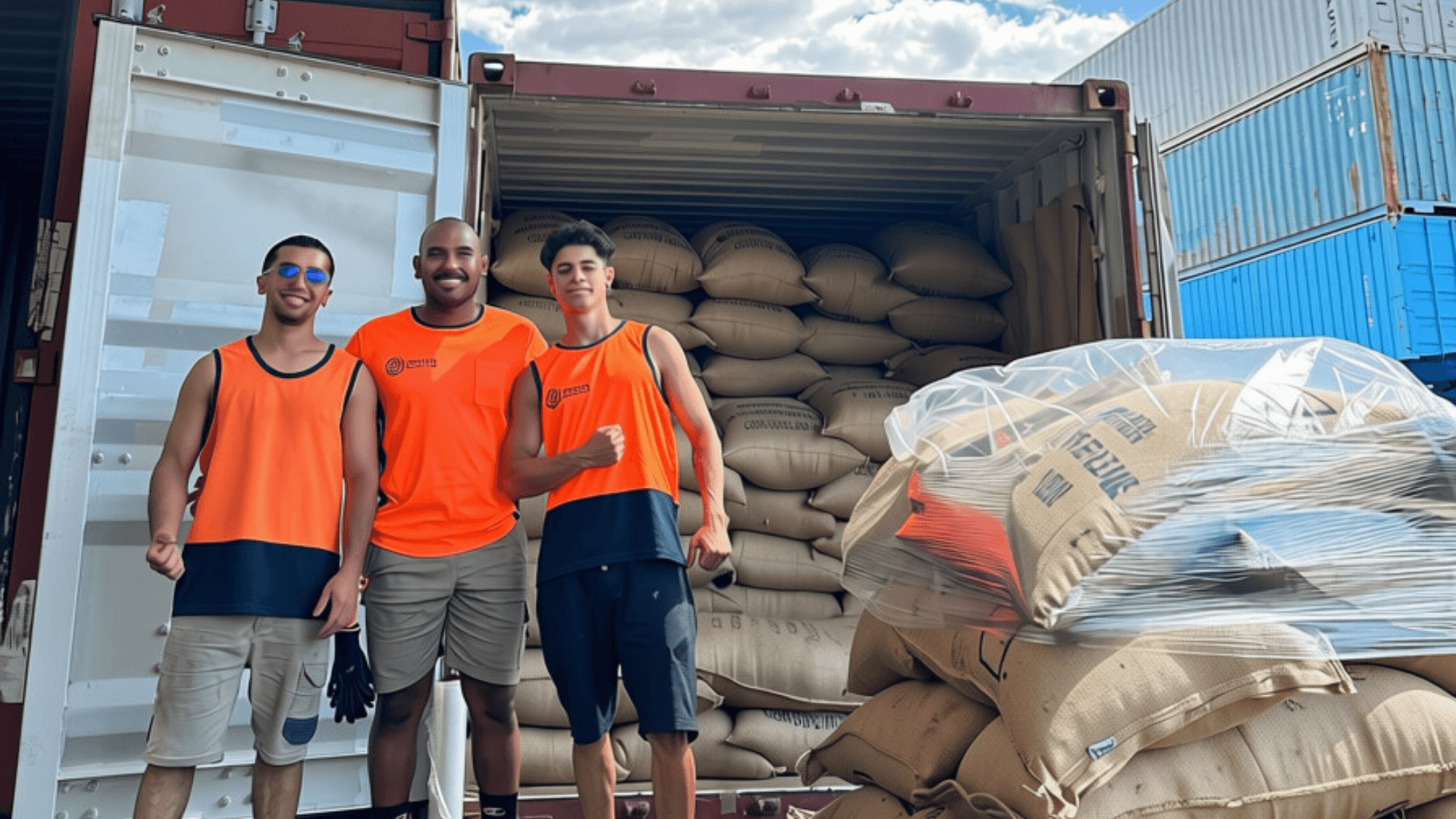
Efficient Container Unloading Is a Team Effort
A typical unloading process may involve several roles working together.
1. Container Crew
Workers inside the container continuously move cartons, boxes, bags, or other goods toward the container opening.
2. Receiving Team
Workers outside the container receive the goods and move them to the appropriate staging area.
3. Forklift Operators
Where appropriate, licensed forklift operators can move pallets and heavier loads efficiently around the warehouse.
4. Sorters and Stackers
Goods may need to be sorted, counted, palletised, labelled, or organised before being moved into storage.
When each person knows their responsibility, the entire process becomes more efficient.
The Importance of Workflow
One of the biggest mistakes businesses make is treating container unloading as one large task.
Instead, it should be viewed as a series of connected steps:
Open → Unload → Receive → Sort → Stack → Move → Clear
If one part of the process stops, everything behind it can slow down.
For example, if workers inside the container continue unloading but there is nowhere to place the goods outside, the process eventually comes to a standstill.
Efficient crews keep the workflow moving from the container to the warehouse.
Safety Should Never Be Sacrificed for Speed
Getting a container unloaded in under an hour can be a valuable productivity target, but it should never come at the expense of worker safety.
Container unloading can involve:
- Heavy or unstable cartons
- Manual handling risks
- Limited working space
- Uneven or obstructed surfaces
- Falling or shifting goods
- Forklift and vehicle movements
- Repetitive lifting
Proper manual-handling practices, appropriate equipment, communication, and workplace procedures are essential.
The fastest job isn’t the one where workers rush.
It’s the one where an experienced team works efficiently and safely from start to finish.
Why Businesses Use Container Unloading Labour Hire
For businesses that receive containers regularly, maintaining a large permanent warehouse workforce isn’t always practical.
Container unloading labour hire provides access to workers when they’re actually needed.
This can be particularly useful during:
- Busy delivery periods
- Seasonal peaks
- Large stock arrivals
- Warehouse relocations
- Unexpected increases in container volume
- Staff shortages
- Short-term projects
Instead of scrambling to find extra workers when a container arrives, businesses can bring in an experienced crew ready to work.
Under an Hour Doesn’t Happen by Accident
When you see a container unloaded quickly, you’re not just seeing workers moving boxes.
You’re seeing coordination, preparation, experience, communication, and physical work happening at the same time.
The difference between a slow unloading process and an efficient one can come down to small details: having enough workers, preparing the warehouse space, using the right equipment, understanding the cargo, and having a team that knows how to work together.
That’s what happens behind the boxes.
Need Help With Container Unloading?
Whether you receive containers every week or need additional labour for a one-off shipment, having the right crew can help keep your warehouse moving.
Sipena Logistics provides reliable labour hire for container unloading, warehouse operations, and general labour across Victoria, New South Wales, and Queensland.
Our experienced workforce can help businesses manage container arrivals and busy warehouse periods without the pressure of finding extra staff at short notice.
Need extra hands for your next container? Get in touch with Sipena Logistics today.
Contact us at info@sipenalogistics.com.au.
We’re ready at Sipena Logistics.